Suttigai in Siddha
About This Service
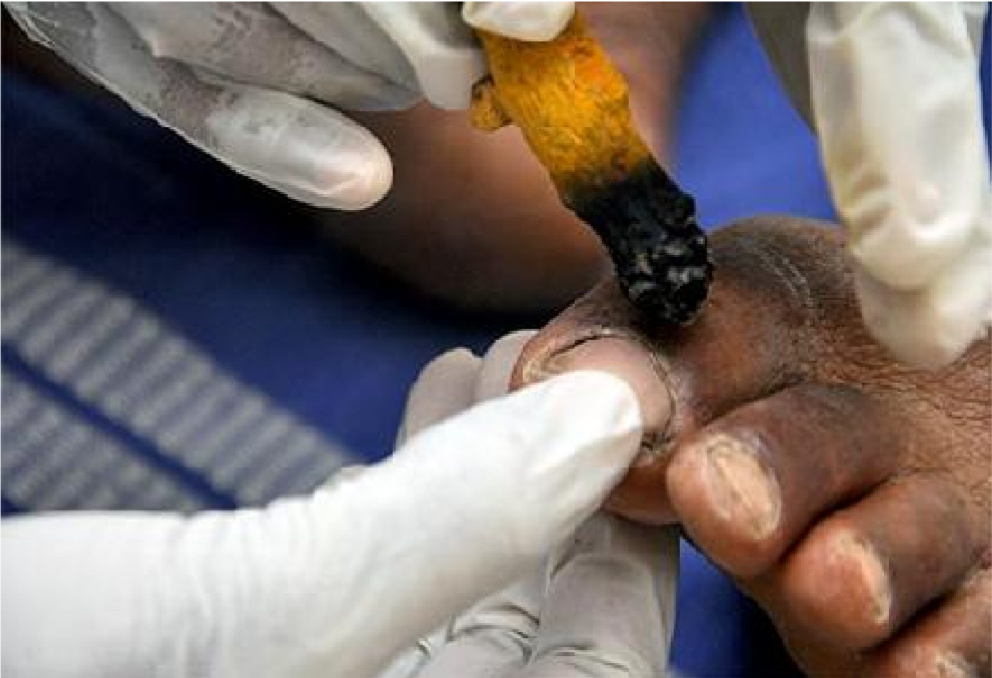
Suttigai is a classical Siddha technique involving controlled application of heat to specific points. This therapy is used for chronic conditions, pain management, and to stimulate healing responses.
Duration
15-30 minutes
Key Benefits
- Chronic pain relief
- Improved healing
- Nerve stimulation
- Disease prevention
- Energy activation
Ready to Experience This Treatment?
Book your appointment today and start your healing journey.
Book AppointmentTraditional Background & Scientific Basis
Suttigai (சூட்டிகை), also known as "Agni Karma" in Sanskrit, is an ancient therapeutic cauterization technique mentioned in classical Siddha texts like "Agathiyar Vaithiya Kaviyam" and "Theraiyar Venba." This therapy involves applying controlled heat to specific Varmam points or affected areas using heated metal rods, herbs, or other specialized instruments.
The Siddhars recognized that certain chronic conditions respond better to heat therapy than other treatments. Suttigai works on the principle of "நோய் நாடி நோய் முதல் நாடி" (diagnose the disease and its root cause)—the heat penetrates deep tissues, breaks pathological adhesions, stimulates dormant nerve endings, and activates the body's natural healing response by creating controlled micro-trauma.
Modern pain science explains Suttigai's effectiveness through the "gate control theory" of pain and counter-irritation principles. The controlled heat stimulus blocks chronic pain signals, triggers endorphin release, improves local blood circulation, and stimulates tissue regeneration. Studies show thermal therapy effectiveness in treating chronic musculoskeletal conditions, especially when other treatments have failed.
What to Expect During Treatment
Assessment & Point Selection
Your treatment begins with thorough examination to identify affected areas and specific Varmam points requiring Suttigai. The practitioner assesses pain intensity, chronicity, and tissue condition. Specific points are marked based on your condition—for arthritis, joint-related points; for sciatica, nerve pathway points; for chronic pain, trigger points. Each point is selected for maximum therapeutic effect.
Instrument Preparation
Traditional Suttigai uses various instruments: metal rods (usually gold, silver, or copper), heated herbal bundles (like Erukku plant stem), or specialized cauterizing tools. The instrument is heated to precise temperature—not too hot to cause excessive damage, but sufficient for therapeutic effect. The practitioner tests temperature carefully before application to ensure safety and appropriate intensity.
Application Technique
The heated instrument is applied to marked points with controlled pressure for 1-3 seconds per point. You'll feel intense heat followed by brief sharp sensation. Multiple points may be treated in one session (typically 3-10 points). The practitioner uses quick, precise technique to minimize discomfort. After each application, cooling herbal paste or ghee is immediately applied to soothe the area and promote healing.
Post-Treatment Care
Treated points are dressed with medicated cooling paste or turmeric powder. Small blisters may form—these are intentional and therapeutic, helping eliminate deep-seated toxins. Keep the area clean and dry. Avoid water contact for 24 hours. Follow dietary restrictions (no sour, spicy, or heating foods). Healing typically occurs within 7-10 days. Follow-up visits monitor healing and assess need for additional treatments.
Conditions Effectively Treated
Chronic Pain
- Sciatica
- Chronic back pain
- Knee pain
- Heel pain (calcaneal spur)
- Frozen shoulder
Joint Disorders
- Chronic arthritis
- Rheumatoid arthritis
- Gout
- Joint stiffness
- Osteoarthritis
Other Conditions
- Chronic sinusitis
- Varicose veins
- Hemorrhoids
- Warts & corns
- Certain skin conditions
Precautions & Contraindications
Suttigai is a powerful therapy requiring expert practitioners. Certain conditions absolutely contraindicate this treatment:
Never perform Suttigai if:
- • Diabetes with poor control or complications
- • Bleeding disorders or on blood thinners
- • Active infection or fever
- • Pregnancy
- • Over vital organs or major blood vessels
Extreme caution needed with:
- • Children under 12 years
- • Elderly with thin, fragile skin
- • Keloid-prone individuals
- • Immunocompromised patients
- • Severe cardiac conditions
Frequently Asked Questions
Is Suttigai painful?
Suttigai involves brief, intense sensation during application (1-3 seconds per point). Most people describe it as a sharp, burning sensation that quickly subsides. The discomfort is momentary and bearable. Immediately after application, cooling herbal paste provides relief. Post-treatment discomfort is minimal, usually just mild tenderness at treated points. The brief discomfort is often worth it for the long-lasting pain relief achieved.
Will Suttigai leave permanent scars?
Suttigai typically creates small marks that fade significantly over 3-6 months. When performed correctly by experienced practitioners, scarring is minimal and often barely visible once healed. The size of marks depends on instrument type and application duration. For cosmetically sensitive areas, practitioners use techniques that minimize visible marks. The therapeutic benefit for chronic conditions usually outweighs cosmetic concerns, especially when marks are in non-visible areas.
How is Suttigai different from modern cautery?
Suttigai is highly specific, targeting precise Varmam points and energy channels based on Siddha principles, not just affected areas. The technique, instrument temperature, application duration, and post-care are all traditionally defined for optimal therapeutic effect. It's combined with herbal medicines and dietary modifications for holistic healing. Modern cautery is typically used for tissue destruction, while Suttigai stimulates healing responses and energy flow.
Can Suttigai cure chronic conditions completely?
Suttigai can provide significant, long-lasting relief for many chronic conditions, especially when other treatments have failed. For some conditions like heel spurs or specific types of chronic pain, it can be curative. For degenerative conditions like advanced arthritis, it offers substantial symptom relief and improved function but may not completely cure the underlying degeneration. Results vary based on condition severity, chronicity, and individual response. Most patients experience 60-90% improvement.
How many Suttigai sessions will I need?
For acute exacerbations of chronic pain, 1-3 sessions often suffice. Chronic conditions typically need 3-7 sessions spaced 7-15 days apart to allow healing between treatments. Some stubborn conditions may require up to 10 sessions. Your practitioner assesses response after each session and adjusts the treatment plan. Many conditions show improvement after just 1-2 sessions, with continued improvement over subsequent treatments.