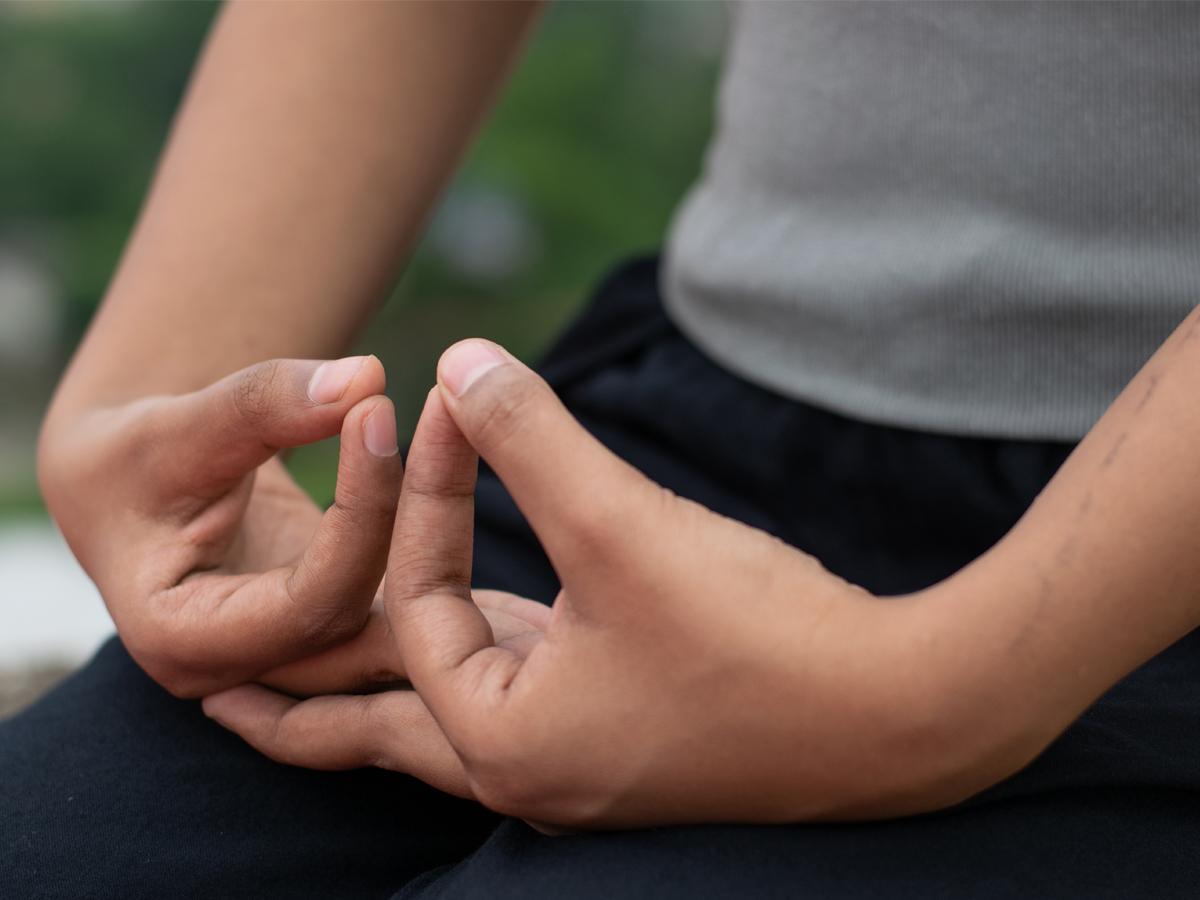
Mudra Therapy
About This Service
Mudra therapy uses specific hand gestures to balance the five elements (earth, water, fire, air, space) in the body. These simple yet powerful techniques can be practiced anywhere for health and wellness.
Duration
15-30 minutes daily
Key Benefits
- Element balance
- Energy flow
- Mental focus
- Stress management
- Self-healing
Ready to Experience This Treatment?
Book your appointment today and start your healing journey.
Book AppointmentTraditional Background & Scientific Basis
Mudra therapy, known as Mudra Chikitsa (முத்திரை சிகிச்சை) in Tamil, is an ancient yogic and tantric science mentioned in classical texts like "Gheranda Samhita" and integrated into Siddha medicine. The Siddhars understood that specific hand positions could regulate the five elements (Pancha Bhootas) and influence pranic energy flow throughout the body.
The practice is based on the principle that each finger represents and controls one element: thumb (fire/Agni), index finger (air/Vayu), middle finger (space/Akasha), ring finger (earth/Prithvi), and little finger (water/Jal). By touching fingers in specific combinations, you complete energy circuits that balance elemental imbalances responsible for various ailments.
Modern research using EEG and HRV studies shows mudras significantly affect brain wave patterns, autonomic nervous system balance, and stress hormone levels. Reflexology principles validate that pressure points on fingers connect to organs and systems throughout the body. Regular mudra practice enhances mind-body communication, promoting self-healing and maintaining homeostasis through conscious energy redirection.
What to Expect During Treatment
Initial Assessment
Your first session begins with understanding your health concerns, lifestyle, and elemental constitution. The practitioner identifies which elements are imbalanced in your system through traditional diagnostic methods. Based on this analysis, specific mudras are selected that will be most beneficial for rebalancing your unique elemental composition.
Learning Hand Positions
You'll be taught 3-5 specific mudras tailored to your needs. Each mudra is demonstrated in detail—exact finger placement, pressure points, and hand orientation. The practitioner ensures you form the mudras correctly, as precision is crucial for effectiveness. You'll learn which mudras to practice for specific symptoms and the optimal sequence for your condition.
Practice & Awareness
During the session, you'll practice each mudra while sitting comfortably. Attention is brought to the subtle sensations—warmth, tingling, or energy flow—that indicate the mudra is working. You'll learn proper breathing techniques to enhance mudra effectiveness, along with visualization practices and mantras that amplify the healing effects. Practice duration typically starts at 5-10 minutes per mudra.
Home Practice Plan
You'll receive a personalized practice schedule indicating which mudras to perform, when, for how long, and in what sequence. Guidelines on combining mudras with meditation, diet, and lifestyle are provided. Follow-up sessions monitor your progress, refine techniques, introduce advanced mudras as needed, and adjust the practice based on your evolving health status.
Conditions Effectively Treated
Physical Health
- Digestive disorders
- Respiratory problems
- Blood pressure issues
- Chronic fatigue
- Immune weakness
Mental & Emotional
- Anxiety & stress
- Depression
- Insomnia
- Poor concentration
- Emotional imbalance
Chronic Conditions
- Diabetes support
- Arthritis pain
- Thyroid imbalance
- Hormonal issues
- Neurological disorders
Precautions & Practice Guidelines
Mudra therapy is safe and can be practiced by most people, but following proper guidelines ensures maximum benefits:
Important considerations:
- • Don't practice immediately after heavy meals
- • Avoid excessive pressure on fingers
- • Not a replacement for emergency medicine
- • Requires patience (results take time)
- • Consult for acute medical emergencies
For best results:
- • Practice in a calm, quiet environment
- • Maintain comfortable, relaxed posture
- • Be consistent with daily practice
- • Combine with proper breathing
- • Learn from a qualified practitioner
Frequently Asked Questions
How long does it take to see results from mudra practice?
Results vary by condition and consistency. For acute issues like headaches or anxiety, you might feel relief within minutes to hours. Chronic conditions typically show improvement after 21-45 days of regular practice (15-30 minutes daily). Some subtle benefits like improved focus or better sleep may be noticed within a week. The key is consistent, daily practice—mudras work cumulatively.
Can I practice mudras while doing other activities?
Yes! One of mudra therapy's advantages is its versatility. You can practice while watching TV, reading, commuting (as a passenger), or waiting. However, for maximum therapeutic benefit, especially initially, dedicated practice with proper posture, breathing, and awareness is recommended. Once you're familiar with the mudras, you can integrate them into daily activities.
Do I need to apply pressure when holding mudras?
Generally, no strong pressure is needed. For most mudras, fingers should touch lightly and naturally—you're completing an energy circuit, not pressing pressure points. The touch should be gentle yet definite. However, a few specific mudras may require slight pressure; your practitioner will guide you on the correct technique for each mudra you're learning.
Can children and elderly people practice mudra therapy?
Absolutely! Mudra therapy is suitable for all ages. Children can practice age-appropriate mudras for 5-10 minutes (they're excellent for improving concentration and managing exam stress). Elderly individuals benefit greatly from mudras as they're gentle, require no physical strain, and can be done while seated. Even bedridden patients can practice mudras to support healing.
What's the difference between mudras and acupressure?
While both involve hand techniques, they work differently. Acupressure applies physical pressure to specific points to stimulate meridians. Mudras work through energy circuits created by specific finger combinations, balancing the five elements in the body. Mudras don't require pressure on specific points—the finger positions themselves create energetic effects. Mudras are also more focused on elemental balance and subtle energy manipulation.