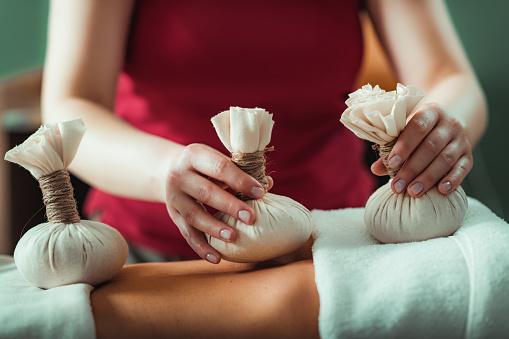
Kizhi Therapy
About This Service
Kizhi therapy uses heated herbal poultices applied to the body in rhythmic movements. The medicinal herbs penetrate deep into tissues, providing relief from pain, stiffness, and inflammation.
Duration
45-60 minutes
Key Benefits
- Joint pain relief
- Muscle stiffness reduction
- Improved circulation
- Arthritis management
- Tissue healing
Ready to Experience This Treatment?
Book your appointment today and start your healing journey.
Book AppointmentTraditional Background & Scientific Basis
Kizhi (கிழி), also known as "Pinda Sweda" in Ayurveda, is an ancient therapeutic technique where herbal medicines are tied in cloth boluses and applied to the body. The term "Kizhi" literally means "bundle" in Tamil, referring to the cloth pouches filled with medicinal ingredients. This therapy has been practiced in South India for over 3,000 years.
Various types of Kizhi exist based on the filling material: Ilai Kizhi (leaf poultice), Podikizhi (herbal powder poultice), Njavara Kizhi (medicated rice poultice), Naranga Kizhi (lemon poultice), and Mana Kizhi (herbal paste poultice). Each type is designed for specific therapeutic purposes and body constitutions.
Scientific studies validate Kizhi effectiveness in reducing inflammation, improving blood circulation, and relieving musculoskeletal pain. The heat combined with medicinal properties facilitates transdermal absorption of therapeutic compounds while the rhythmic application provides therapeutic massage effects.
What to Expect During Treatment
Initial Consultation
Your session begins with an assessment of your condition, pain areas, and medical history. The practitioner determines the appropriate type of Kizhi (leaf, powder, or rice-based) and selects specific herbs based on your body constitution and ailment.
Diagnosis
Through physical examination and traditional diagnostic methods, areas of inflammation, stiffness, and energy blockages are identified. This guides the focus areas for Kizhi application and determines the temperature and pressure to be applied.
Treatment Application
After warming your body with medicated oil massage, heated Kizhi boluses are applied rhythmically to affected areas. The practitioner maintains optimal temperature by periodically reheating the boluses in medicated oil. Treatment typically includes specific strokes, pressure points, and therapeutic movements.
Post-Treatment Care
After treatment, the oil is left on your body for 15-30 minutes to enhance absorption. You may then take a warm water bath (not hot). Post-treatment instructions include rest, dietary guidelines, and recommendations for maintaining the therapeutic benefits.
Conditions Effectively Treated
Musculoskeletal Pain
- Arthritis (all types)
- Spondylosis
- Frozen shoulder
- Sports injuries
- Back & neck pain
Inflammatory Conditions
- Joint inflammation
- Muscle spasms
- Tendonitis
- Bursitis
- Ligament strain
Other Benefits
- Poor circulation
- Muscle weakness
- Stress-related tension
- Post-surgical rehabilitation
- Paralysis support
Precautions & Contraindications
Kizhi therapy involves heat and pressure application, requiring certain precautions:
Avoid if you have:
- • Active fever or infection
- • Severe skin conditions
- • Open wounds or burns
- • Acute inflammation (first 48 hours)
- • Uncontrolled diabetes
Consult before treatment if:
- • Pregnant (especially first trimester)
- • Have cardiovascular issues
- • Taking blood thinners
- • Recent fractures or surgery
- • Severe osteoporosis
Frequently Asked Questions
How hot are the Kizhi boluses?
The Kizhi boluses are maintained at a comfortably warm temperature, typically between 40-45°C (104-113°F). They should feel pleasantly warm, not burning. Our practitioners constantly check the temperature and adjust it based on your comfort level and skin sensitivity.
How many sessions will I need?
For acute conditions, 3-7 sessions may suffice. Chronic conditions typically require 14-21 sessions for significant improvement. Sessions are usually done daily or on alternate days. Your practitioner will recommend a specific treatment plan based on your condition severity and response to therapy.
Can I take a shower immediately after treatment?
It is recommended to wait at least 2-3 hours after treatment before showering to allow the medicinal oils to penetrate deeply. When you do shower, use warm water (not hot or cold) without soap on treated areas for the first wash to preserve the therapeutic oils.
Is Kizhi therapy painful?
Kizhi therapy should not be painful. You may feel some pressure and warmth, which most people find relaxing. If you experience any discomfort, immediately inform your practitioner who will adjust the temperature or pressure. Some mild soreness the next day is normal as toxins are released.
What is the difference between Ilai Kizhi and Podikizhi?
Ilai Kizhi uses fresh medicinal leaves (like eucalyptus, tamarind, drumstick) and is more cooling, ideal for inflammatory conditions. Podikizhi uses dried herbal powders and generates more heat, better for chronic pain and stiffness. Your practitioner selects the type based on your specific condition and body constitution.